Skip to navigation | Skip to main content | Skip to footer
The University of Manchester home
Manchester Institute of Biotechnology
  • Manchester Institute of Biotechnology
    • Collaborate
    • Research
    • Join us
    • About
  • Home
  • Collaborate

    For businesses

    For academics

  • Research

    Research themes

    • Fundamental bioscience and technology innovation
    • Sustainable bio-based chemicals and materials
    • Biological solutions for environmental protection
    • Biotechnologies for advanced therapeutics

    Research centres

    Research facilities

    People

    Research impact

    Research fellowships

  • Join us

    Jobs and fellowships

    Events

    Study with us

    • Doctoral training
    • Research projects
    • Industrial Biotechnology MOOC
  • About

    People

    News

    Contact us

  • Manchester Institute of Biotechnology
    • Collaborate
    • Research
    • Join us
    • About
Researcher using a pipette in a laboratory alongside an illustrated DNA strand.

A bio-industrial revolution

From life-saving medicines to greener manufacturing, our MIB researchers are turning natural processes into practical solutions.

Explore our research

About the MIB

About the MIB

The Manchester Institute of Biotechnology brings together researchers from biology, chemistry and engineering to explore new scientific possibilities. Through collaborative projects and innovative technologies, we develop practical solutions to pressing global challenges and and work with international partners to translate discovery into real‑world impact. 

Discover more about the MIB

Our research themes

We look closely at the structures and functions of biological systems at the molecular level to understand how they work and how they can be applied to real-world applications. Our fundamental research is powered by state‑of‑the‑art facilities and an expert technical team who apply cutting‑edge analytical methods and screening technologies to discover, design, and engineer new functional proteins, genomes, and cells. This capability enables the creation of novel enzymes, materials, therapeutics, and other biological solutions that underpin innovation across biotechnology.

Explore fundamental bioscience research

The chemicals industry relies heavily on petrochemicals and finite resources that have a negative impact on our environment. We are developing new and sustainable bio-processes that will allow industry to move away from harmful chemicals and manufacturing processes and support sustainable growth and the development of a low carbon, low waste, circular economy.

Explore bio-based chemicals and materials research

The world’s growing population places and ever-increasing demand on our energy and food supply and generates waste that contributes to environmental problems. Biotechnology can provide novel solutions to these environmental challenges, from microbial carbon recycling and CO2 storage solutions, through to engineering biology for environmental decontamination. By harnessing the power of biology, our researchers are also finding new ways to turn waste feedstocks into valuable chemicals to reduce our demand on petrochemical resources.

Explore environmental protection research

We develop biocatalytic and expression platforms to manufacture advanced therapeutics, improve drug delivery, and advance biomedical materials. Together, these will increase access to medicines and treatments for society. The pharmaceutical landscape is changing rapidly, and we are at the forefront of transforming how these medicines are discovered, produced and delivered. 

Explore advanced therapeutics

Looking for expertise in engineering biology?

Looking for expertise in engineering biology?

If you are an industrialist, policymaker, academic or simply someone who would like to know more about what we do, we welcome conversations about how our research can help you. 
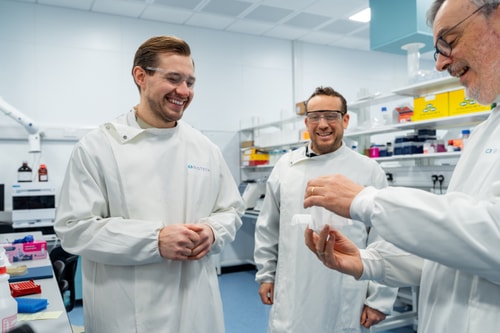
Get in touch with us


News

Show previous news story Show next news story

Windows made from vegetables? From potato peel to plastic

Inside an industrial unit in Stockport, a Manchester spinout company is teaching bacteria to turn potato peelings and sugar beet pulp into acrylics and gas. If it works at scale, it could change how everyday plastics are made across the world.

What a brewery can teach the chemical industry

Many chemicals behind everyday plastics are toxic to the microbes tasked with making them, but a Manchester project is testing a new two-step solution inspired by the brewing industry, with promising early results.

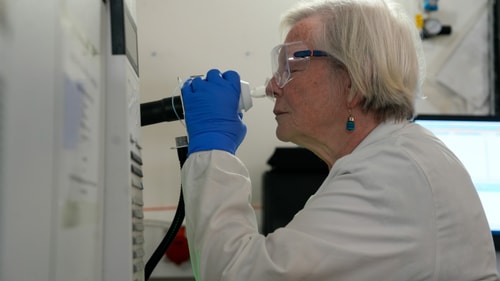
A nose to diagnose: how one woman’s observation helped pave the way for a confirmatory test for Parkinson’s

Manchester Institute of Biotechnology spinout SebOMIX is translating a remarkable observation about Parkinson’s odour into a non-invasive, mass spectrometry-based diagnostic approach.

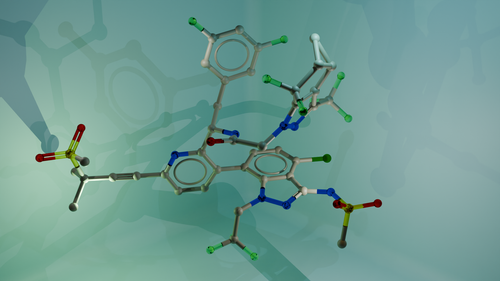
AI-designed enzymes to produce therapeutics for global health

Manchester is combining enzyme engineering with generative AI to develop new routes to medicines, including the long-acting HIV prevention drug lenacapavir.

Training the next generation of scientists

Three doctoral programmes are training more than 90 researchers across biocatalysis, AI and microbial engineering, connecting fundamental science with industrial application.


Our research impact

Our research is designed to have impact, and contributes to many of today’s advancements in health, nutrition, energy, environmental protection and transport.

Discover our impact

Bottle of "Tales from the future", lemon and rose, 5% abv, and a glass containing some of the drink

Join us

Whether you’re looking for a PhD opportunity or your next career move, we have opportunities for students, researchers, technical specialists and professional services to join our vibrant research community.

See where you can fit in

""

Contact us

  • Contact details

Find us

Manchester Institute of Biotechnology
The University of Manchester
131 Princess Street
Manchester
M1 7DN
United Kingdom

Connect with us

  • Bluesky page for Manchester Institute of Biotechnology
  • LinkedIn page for Manchester Institute of Biotechnology

  • Disclaimer
  • Data Protection
  • Copyright notice
  • Accessibility
  • Freedom of information
  • Charitable status
  • Royal Charter Number: RC000797